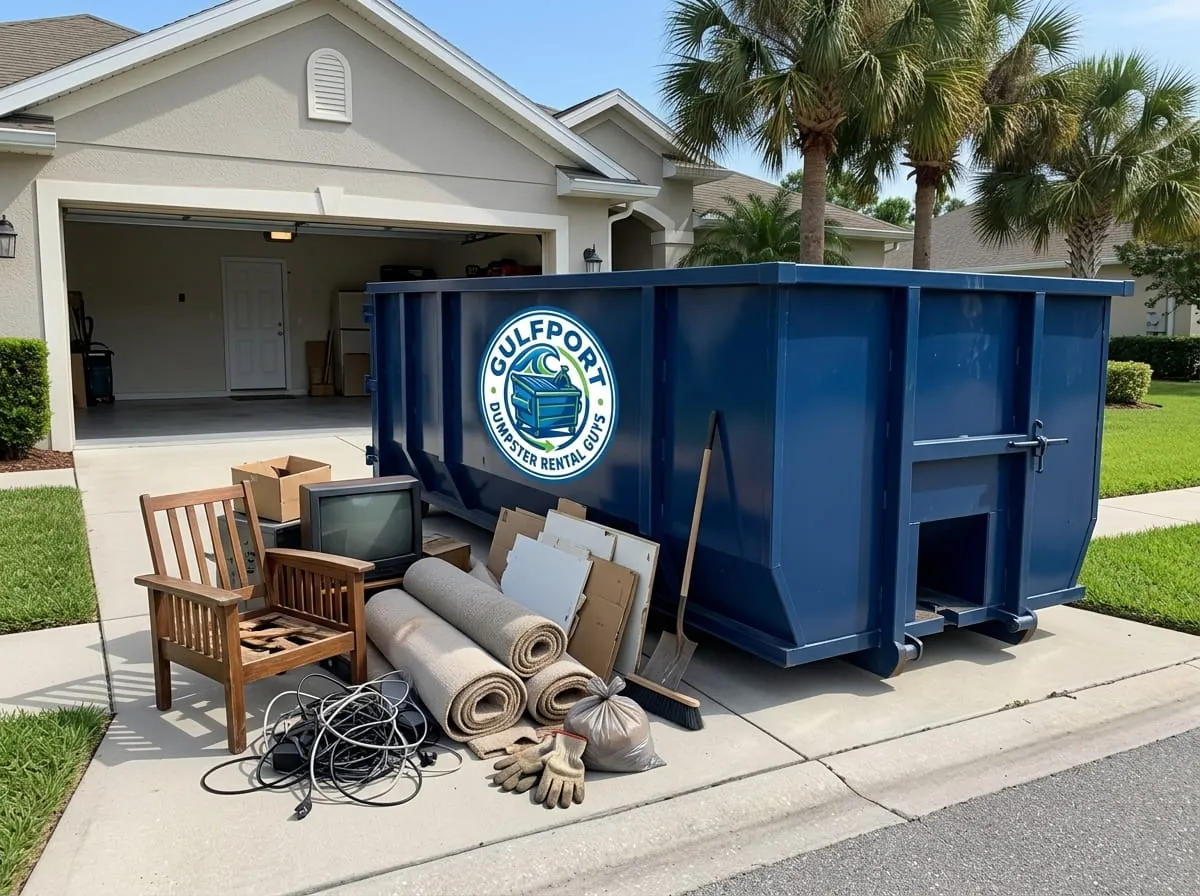
Clearing out a loved one's home is one of the hardest jobs a family ever faces. It is physical work layered on top of grief, often with a probate calendar or a closing date pushing from behind. We have helped many Mississippi Gulf Coast families through it, and we have learned that a plan makes the whole thing lighter. This estate cleanout checklist walks you through it in order, kindly and practically, so nothing important gets lost and no one burns out.
Go slow with the people, fast with the trash. The keepsakes deserve patience. The broken furniture and old carpet do not.
Before You Touch a Single Box: Plan the Cleanout
A little planning up front prevents most of the arguments, mistakes, and last-minute scrambles that make estate cleanouts miserable. Start here.
Confirm your legal standing and timeline
Make sure the right person has authority to clear and dispose of property. In Mississippi that is usually the executor or administrator named through probate. Nothing should leave the home until that is settled, especially anything of value. Then pin down your real deadline:
- Probate timelines can run several months; do not rush disposal before the estate is legally settled.
- A closing or sale date is a hard stop. Count backward from it and give yourself a buffer week.
- A rental turnover may give you only days. That changes your dumpster strategy, which we cover below.
Gather your crew and supplies
Decide who is helping and when. Line up boxes, contractor bags, permanent markers, colored tape or stickers for sorting, gloves, and a first-aid kit. Have a plan for utilities and mail forwarding, and photograph each room before you begin, both for insurance and for family members who cannot be there in person.
Secure Valuables and Documents First
This is the step people most often skip, and the one they most regret. Before any sorting begins, do a slow, careful sweep for anything valuable or irreplaceable. These items hide in strange places.
- Financial and legal documents: the will, deeds, titles, insurance policies, tax returns, bank and investment statements, safe-deposit box keys.
- Cash and valuables: check envelopes, book pages, freezer, pockets, coat linings, and taped under drawers. People of a certain generation hid money everywhere.
- Jewelry, coins, and small heirlooms.
- Digital access: phones, laptops, and a list of passwords if one exists.
- Firearms and medications: secure and dispose of these safely and legally, never in a dumpster.
Put everything you find into one locked, labeled container that leaves with a trusted person the same day.
The Four-Pile Sorting System
Once valuables are secured, every remaining item goes into one of four categories. Assign a color or a zone to each so helpers can work without asking you about every lamp.
| Category | What goes here | Where it goes |
|---|---|---|
| Keep | Family heirlooms, photos, meaningful and requested items | To family members; photograph and log for fairness |
| Donate | Usable furniture, clothing, housewares, books | Local Gulf Coast charities and thrift stores |
| Sell | Antiques, collectibles, appliances, quality furniture | Estate sale, consignment, or online listings |
| Toss | Broken, soiled, expired, or unusable items | Roll-off dumpster |
A gentle tip: let each family member place a sticker on the keepsakes they hope to have, and settle overlaps together. Doing this early prevents heartache later. When you get to the toss pile, that is where a dedicated container earns its keep. See our estate cleanout services for how we support families through this stage.
Work Room by Room, in the Right Order
Do not wander. Finish one room before starting the next, and follow an order that builds momentum. Easy wins early keep morale up for the emotional rooms later.
- Garage, shed, and attic. Usually the most junk and the least sentiment. Clearing these first opens staging space and shows fast progress.
- Kitchen. Toss expired food, sort dishes and small appliances, donate what is usable.
- Bathrooms and closets. Dispose of medications properly, bag old linens and toiletries.
- Living and dining rooms. Larger furniture decisions; measure pieces family wants before moving day.
- Bedrooms and the personal office. Save these for when the crew has hit its stride. This is where the hardest memories live, so give them time.
For loads of scattered small items and lighter household goods, a crew and a truck can move faster than hand-loading a dumpster. Our junk removal service pairs well with a roll-off for the bulky debris.
Choosing the Right Dumpster Size
Guessing wrong here costs you either money or a second trip. Estate cleanouts move a lot of volume, so most homes need more capacity than people expect. Here is how we size it on the Gulf Coast.
The 20-yard dumpster
A 20-yard dumpster suits a smaller home, an apartment, or a single-generation household that is not heavily packed. It holds roughly a modest home's worth of furniture and general debris while staying easy to place in a driveway.
The 30-yard dumpster
For a full family home, a long-time residence, or a property packed after decades of living, the 30-yard dumpster is usually the smart call. It handles bulky furniture, carpet, and the sheer volume that estate cleanouts generate, with far less risk of running out mid-job.
Handling the volume with dumpster swaps
Sometimes one container is not enough, and that is completely normal for a lifetime of belongings. Rather than cramming, ask about a swap: we haul the full dumpster away and drop an empty one in its place, so you keep working without a long pause. This is especially useful when a closing date is bearing down and the work has to stay in motion.
Not sure what you need? Call Gulfport Dumpster Rental Guys at (228) 678-7239 and describe the home. We will recommend a size honestly, no upselling.
Final Walk-Through and Timing
Before you hand over keys, do a last sweep. Check every drawer, cabinet, and closet one more time, confirm utilities are addressed, and match your finish date to your legal timeline with a few days to spare. If the estate is still in probate, hold off on disposing anything that could be part of the settlement, and keep your photos and item log until everything is closed.
You do not have to carry this alone. We have walked many Mississippi Gulf Coast families through cleanouts with patience and respect for what these homes mean. When you are ready to talk through timing, sizes, and swaps, reach out to our team or call (228) 678-7239. We will make the heavy part easier.

Founder, Gulfport Dumpster Rental Guys — sharing straight advice from more than 15 years of local hauling experience.
Frequently Asked Questions
How long does an estate cleanout usually take?
It depends on the size of the home and how packed it is, but most take anywhere from a few days to a couple of weeks. Securing documents and sorting keepsakes takes the most time; the actual hauling of debris moves quickly once a dumpster is on site. If you are working against a closing or probate deadline, call us and we will help you build a realistic schedule.
What should I never put in the dumpster during a cleanout?
Keep out firearms, ammunition, medications, hazardous chemicals, paint, motor oil, batteries, and anything flammable or corrosive. These require proper disposal. Also never toss documents, valuables, or heirlooms before the estate is settled. When in doubt, set the item aside and ask us at (228) 678-7239 before it goes in the bin.
Do I need a 20-yard or a 30-yard dumpster for a full house?
For a full family home or a long-time residence packed with decades of belongings, a 30-yard dumpster is usually the right choice because estate cleanouts generate a lot of volume. Smaller homes and apartments often do fine with a 20-yard. If you are unsure, describe the home to us and we will size it honestly.
Can you swap out a full dumpster if we need more room?
Yes. If one container fills up, we can haul it away and drop an empty one in its place so your crew keeps working without a long pause. Swaps are common on estate cleanouts and especially helpful when a closing date is approaching. Just call and we will schedule the swap around your progress.
Should I wait until probate is finished before cleaning out the home?
You can begin planning, securing documents, and sorting at any time, but you should not dispose of valuable items until the estate is legally settled and the right person has authority to clear the property. Photograph and log everything, keep valuables secured, and hold off on final disposal of anything that could be part of the settlement. When you are cleared to proceed, we are ready to help.